The Difference between Using and Trusting an Endovascular Device
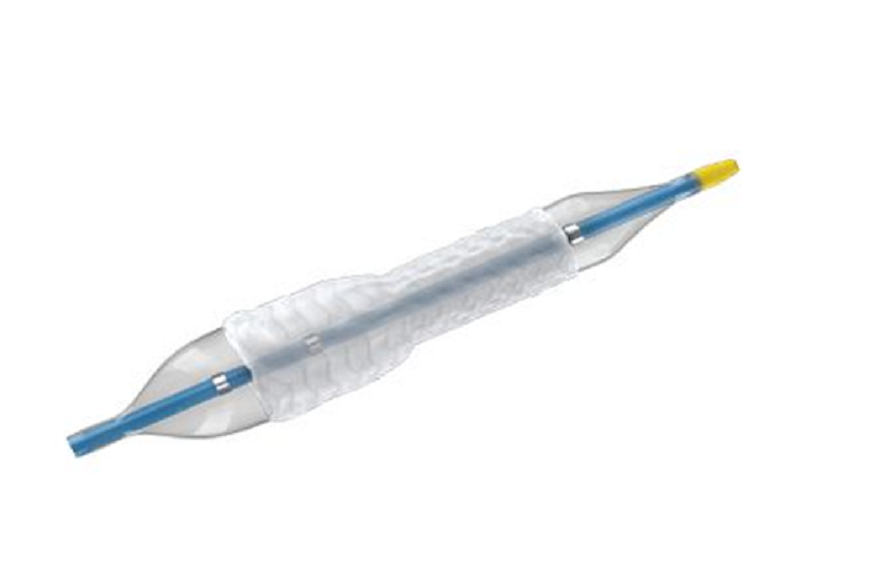
Hospitals do not judge an endovascular system only by the brochure. Real pressure, rotating teams, and complicated cases reveal whether tools feel dependable or distracting. In busy cath labs, staff needs technology that supports calm choices instead of adding quiet friction to every case. An endovascular device becomes part of the clinical rhythm when it behaves predictably, fits real workflows, and does not demand constant workarounds. Trust grows slowly, through many small, uneventful days where the system simply does its job. This article will guide you through how teams sense that trust, where it is usually built, and why it matters long after installation daily.
Why reliability is felt before it is measured
Reliability is usually felt first in the room, not in the report. Teams notice how a system wakes up at the start of a list, how quickly images respond, and whether controls feel natural when pressure rises. When people pause to double-check the console instead of focusing on the patient, trust quietly slips. Over weeks, small hesitations add up to real fatigue. Clinicians remember which tools help them stay steady and which ones steal attention at the worst moments, even if the data looks acceptable. That memory often guides later equipment decisions.
How real-world use exposes quiet weaknesses
Demonstrations rarely show how a system behaves on a busy Tuesday afternoon. That reality appears after months of mixed cases, changing staff, and long shifts. When hospitals speak with colleagues, they rarely ask only about image quality. They want to know how often engineers visit, how quickly issues are resolved, and whether updates break routines. A hospital that chooses a reliable endovascular device supplier for complex vascular procedures listens closely to these stories. Peer feedback reveals patterns brochures leave out, including downtime, software stability, and how calmly problems are handled when something unexpected happens.
What teams notice in daily workflows?
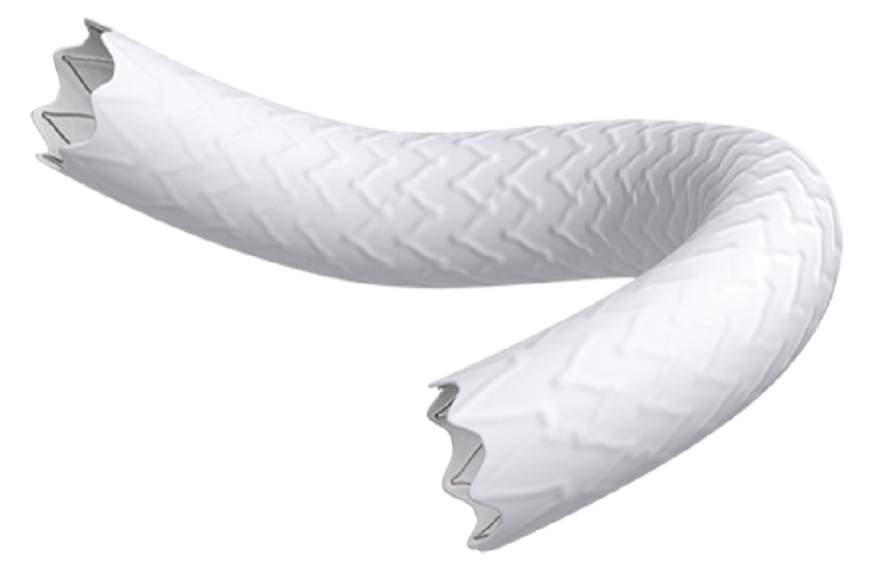
In real practice, trust builds through dozens of seemingly ordinary cases. Teams working in interventional radiology notice small behaviors that either support or disturb their rhythm during demanding lists.
- How quickly the system safely recovers if a setting is changed by mistake.
- Whether image clarity stays stable when the table or C-arm keeps moving.
- If staff can find key functions fast without searching through deep menus.
- How often must they call technical support during normal, predictable work?
- Whether the room feels calmer or tenser when the system is in use.
Signals that a partnership will hold up
Choosing partners is not only about hardware and software. It is also about how the relationship feels when something goes wrong. A hospital that works with a specialized device supplier quickly notices whether questions are welcomed or treated as interruptions. Clear explanations, realistic timelines, and honest limits make it easier for staff to plan their day. When updates arrive, teams pay attention to whether training is thorough or rushed. Over time, these small interactions show whether the partner is present for the long run or just visible around contract signatures.
Why long-term thinking protects care
Endovascular programs rarely stay static. Case volumes grow, techniques evolve, and staff change roles. A system that seemed impressive on installation day can feel restrictive if it cannot adapt gracefully to new demands. Hospitals that plan ahead look at how easily protocols can be updated, how new staff are trained, and how additional features are introduced. When flexibility is built in from the start, teams spend less time fighting limitations. They can focus instead on refining care pathways, knowing their tools will support thoughtful clinical progress as needs continue to shift.
Conclusion
Decisions about imaging tools shape how calmly teams can work years after installation. A single big feature rarely defines reliability; it grows from many ordinary days when the system remains predictable, responsive, and unobtrusive. When hospitals slow down, ask harder questions, and listen to staff experience, they usually avoid the frustration that only appears once routines are established.
Partners like Nexamedic fit this quieter approach, focusing on steady communication, realistic guidance, and support that match real clinical pressure. When suppliers behave this way, teams gradually feel they can rely on the system without constant monitoring, which protects confidence and consistency across daily operational routines.
FAQs
Q1. Why do clinicians often trust their feelings about a system more than its specifications?
Ans 1. Specifications are useful, but they do not capture how a tool behaves during long, stressful lists. Clinicians note whether the workflow feels smooth, how often small glitches occur, and whether the system helps teams stay focused on established workflows rather than repeated system adjustments.
Q2. What can hospitals do early to understand how a new system will feel in daily use?
Ans 2. Beyond formal trials, they can speak with teams already using the platform, request realistic test scenarios, and include nurses and technologists in evaluations. These perspectives often highlight comfort issues that technical documents overlook.
Q3. How can leadership reduce regret after investing in a new endovascular platform?
Ans 3.Leaders can set clear criteria around support quality, training depth, and long-term adaptability, not just price and features. They can also plan regular check-ins with front-line staff to adjust processes before small frustrations turn into lasting problems.
Q4. How can hospitals maintain trust in an endovascular system as teams and workloads change?
Ans 4. By reviewing real-world performance regularly, refreshing training as staff rotates, and maintaining open communication with suppliers, hospitals can ensure the system continues supporting workflows as clinical demands grow and shift over time.












Post Comment
You must be logged in to post a comment.